
Fertility depends on many factors such as the couple's age, development of
healthy eggs, healthy fallopian tubes, sperm quality, healthy uterus, frequent
sexual intercourse, etc. If there is a problem with any of the mentioned
factors, the couple may need to use assisted reproductive technology to have a
child.
Intrauterine
insemination or IUI is one of the most popular and practical assisted
reproduction methods.
What Is
IUI?
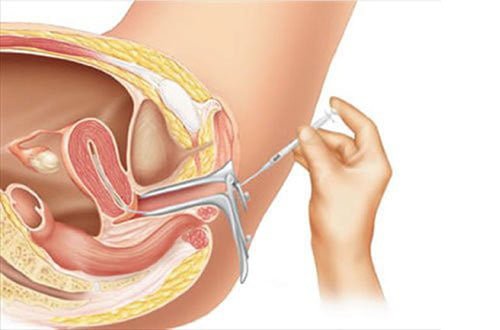
Intrauterine insemination is an assisted reproductive technology (ART) procedure through which a male's sperm is inserted directly into a woman's uterus. During IUI, donated sperms or samples of sperm received from the patient's partner are washed and inserted directly into the uterus so that the sperm is in the closest
position to the egg. IUI is relatively less invasive and cheaper than other methods of assisted reproduction, including IVF.

Iran Is
the Best Country for Doing IUI
The success rate
of IUI depends on several factors, the most important of which are the doctor’s
experience and the clinic’s facilities. In Iran, more than 50 clinics offer
good medical services for infertile couples at a reasonable price. Also, the
country has world-renowned fertility doctors who are accurate, sympathetic, and
knowledgeable. So, Iran is considered one of the best options for patients who
need IUI treatment.
Cost of
IUI in Iran
The cost of IUI in
Iran can vary depending on the cause of infertility, the number of treatment
sessions required, the doctor’s experience and expertise, and the clinic or
hospital’s facilities. On average, the cost of IUI in Iran ranges from $200 to
$500 per session ,while in the U.S., it will cost you more than $1,000 per
cycle.
Who Is a Good
Candidate for IUI in Iran?
Although IUI is a
helpful treatment for infertility, it does not apply to all infertile couples.
Usually, IUI is done for couples who have the following problems:
- Infertility
is because of malefactors;
- The
cause of infertility has not been identified through examinations;
- There
is a problem with the fallopian tubes that prevent eggs from reaching the
uterus;
- Ovulatory
dysfunction;
- Recurrent
pregnancy loss;
- Specific
genetic diseases;
- There
is a problem in the cervix or the uterus; and
- The
woman has minimal (or stage 1) endometriosis.
How to
Prepare for IUI in Iran?
It is recommended
to take the following care before performing IUI in Iran:
- Do not
have sex for three days before the operation;
- Avoid
having stress and anxiety;
- Have
an appropriate diet rich in protein and fiber;
- Do
moderate exercise such as walking every day;
- Do not
eat for 12 hours before IUI;
- Do not
eat spicy and hard-to-digest foods for two days before the insemination;
- Avoid
smoking and drinking alcohol before IUI; and
- Empty
your bladder before the operation.

How Is IUI
Done in Iran?
The IUI operation
is relatively simple and painless and performed without anesthesia. An
ultrasound is performed on the second or third day of menstruation to check the
ovaries and uterus condition. If their condition is normal, specific drugs are
injected to prepare the uterus for receiving the sperm. In the next step,
healthy and motile sperms are separated from the rest of the semen specimen,
and then they are inserted into the uterus using a narrow tube called a
catheter.
To increase the
chance of pregnancy, doctors in Iran prescribe ovarian stimulation drugs to
increase the number of eggs released in each specific cycle. Usually, the patients
should take ovarian stimulation drugs such as FSH for 10 to 16
days.
IUI
Success Rate in Iran
Each body reacts
to fertility treatments differently, so it is impossible to predict IUI's
success rate accurately. Factors such as age, the cause of infertility, and
ovarian stimulation medications used during the treatment can affect the
success rate of IUI.
IUI success rate
will vary depending on the cause of infertility, the doctor's skills, and the
facilities of the fertility center. So, choosing the best doctor and health
center in Iran for your treatment is essential.
IUI in
Iran: Aftercare
Lie on your back
briefly if you have stomachache or dizziness after IUI. IUI is a quick and easy
procedure; However, some patients experience discomfort after the surgery.
In addition,
consider the following tips after IUI operation:
- Doing
heavy physical activities, swimming, and staying in a bathtub for too long
are not allowed after IUI;
- Your
doctor may recommend you to not have sex for up to 48 hours after the
operation;
- Avoid
using drugs, alcohol, and cigarette before and after the surgery;
- Include
high-fat dairy products in your diet. Eat cheese, yogurt, or milk twice a
day;
- Eat
lots of vegetables and fruits every day and get the carbohydrates you need
from whole grains;
- In
case of excessive stimulation of the ovaries, drink plenty of water;
- If
prescribed, use progesterone supplements in the form of oral tablet,
injection, or suppository;
- Have a
notorious diet and stay hydrated; and
- Stay
away from any kind of harmful radiation.
If you had
any of the following problems after IUI in Iran, contact your doctor
immediately:
- Body
temperature above 38 ° C;
- Unbearable
pain in the abdomen;
- Severe
bloating;
- Extreme
nausea or vomiting;
- Severe
vaginal bleeding (mild bleeding is normal);
- Difficulty
in urinating or having pain while urinating;
Possible
Complications of IUI in Iran
IUI is a
relatively simple and safe assisted reproduction method and doesn’t have
serious complications. Some of the possible side effects of this method
include:
- Infection;
- Mild
bleeding. Sometimes, when the catheter is inserted into the uterus, the
vagina bleeds; however, this bleeding has no effect on the chance of
pregnancy;
- Multiple
birth;
- Abdominal
or pelvic pain;
- Nausea
and headache;
- Breast
tenderness;
- Mood
swing;
- Cramping;
- Bloating;
- Ovarian
hyperstimulation syndrome (OHSS);
- Fatigue
and dizziness;
- Insomnia;
- Sudden
weight gain; etc.
In case of having
too much pain, you can take pregnancy-safe painkillers. Also, resting and
meditating can minimize the discomfort of this period.
Frequently
Asked Questions about IUI in Iran
In the following, you can find the answer to
your questions about IUI in Iran.
1. Do I need bed rest after IUI?
After IUI, you are asked to lie down for 20
minutes. However, you won’t need to stay in bed for the following days.
2. How many times can I do IUI in Iran?
The doctor determines how often you can do IUI
in Iran based on your age, the quality of the sperms at the time of the
operation, the duration of infertility, the number of developed follicles in
your uterus, and your ovarian reserve. If there is no other factor for
infertility other than mild sperm weakness, up to 12 cycles of IUI can be
performed.
3. How long after IUI can I return to everyday
life?
It is recommended not to do strenuous activities
for a couple of days after IUI. After this time, you can do almost all your
daily activities except for lifting heavy objects and doing physically
demanding jobs.
4. Is IUI in Iran safe for the baby?
IUI is considered a painless and safe procedure.
So neither the baby nor the mother will be at risk during and after IUI in Iran.
5. When should I take a pregnancy test after
IUI?
Fourteen days after IUI, you must take a blood test or urine to detect pregnancy. HCG, or pregnancy hormone, is more detectable in the blood test.

Itinerary
Day 1
Arrive
at IKA (2 days before the menstrual cycle starts). Leave the airport to the
hotel and check-in. Take a short break, move to the clinic and visit the doctor
(if needed). Go to the restaurant and have dinner with the Soren Sepehr Health
team.
Day 2
Go to
the hospital for initial checkups. Rest at the hotel and take recommended foods
and prescribed medicines. Visit the doctor in the afternoon, receive new
medicines, return to the hotel, and rest.
Day 3
At the
beginning of the menstrual cycle, start to take medication prescribed by the
doctor until days 7 or 10. Get ready to go through the following process step
at the doctor's discretion.
Day 4
Go to
the hospital for a medical examination and if the doctor approves, get ready
for the egg retrieval and sperm test. Then, go through intrauterine
insemination (IUI) and stay about one or two hours in the hospital. Return to
the hotel and rest.
Day 5
Rest in
the hotel and move to the hospital to perform the necessary tests after
intrauterine insemination. Go on a city tour at the doctor's discretion.
Day 6
Check out and transfer to the airport. (The number of days in this plan may change).