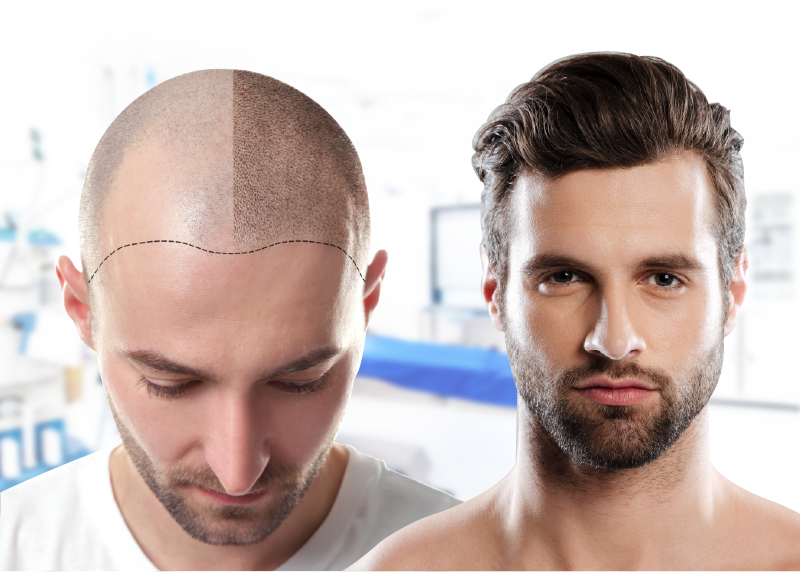

What Is Hair Transplant?
Hair loss is one of the everyday beauty problems that can affect people's self-confidence and cause depression and social anxiety. By 50, almost two-thirds of men gradually lose their hair. Of course, this is not just a problem for men; currently, half of the women struggle with hair loss too. Fortunately, there are various treatments for hair loss, such as Minoxidil solution, aloe vera gel, rosemary oil, etc. However, hair planting surgery is the best and most popular treatment for hair loss. Hair planting surgery is the best and most popular treatment for hair loss.
Why Choose Iran for Hair Transplant?
With the growing number of people losing their hair due to different reasons such as Covid-19, stress, unhealthy diet, etc., the demand for hair transplant surgery in Iran has increased, and numerous international patients perform this surgery in the country. In Iran, you can benefit from the experience of skilled physicians and the facilities of advanced clinics at an affordable price. So, Iran is regarded as one of the best countries for hair plant surgery.
Cost of Hair Transplant in Iran
The cost of a hair transplant in Iran depends on the strength or weakness of the hair follicles in the donor area, the size of the hairless area, the number of hair grafts planted, the fee of the specialist or dermatologist, and the clinic's facilities. On average, the cost of a hair transplant in Iran ranges from $1,000 to $2,500, between $4,000 to $16,000 in the U.S. and European countries, and $2,000 to $4,000 in India and Turkey.

Ideal Candidates for Hair Transplanting in Iran
Although hair transplanting is an effective way to get rid of baldness, it cannot be used for everyone. This method is unsuitable for people who have lost their hair due to nutritional deficiency, lack of iron, chemotherapy, and taking specialty drugs. It is worth mentioning that people whose donor area doesn't have sufficient hair follicles are not ideal candidates for hair transplant in Iran.
Hair transplant surgery is generally suitable for people who have lost their hair because of heredity and genetic problems.
How to Prepare for Hair Transplant?
Before undergoing hair transplant surgery, follow these instructions:
- Take necessary tests and medical evaluations;
- Avoid smoking for 24 to 48 hours before the operation. Smoking may affect your wound healing process and cause bleeding;
- Avoid drinking alcohol from a week before surgery;
- Do not have a hair cut before the surgery as you will need lots of hair follicles for the transplant, and the long hair can cover your stitches after the operation;
- Massage your scalp for 15 to 30 days before the operation as it softens the scalp's skin and improves its blood flow;
- Take the prescribed medications such as antibiotics and the ones used for treating hair loss-related problems;
- Avoid taking aspirin, anti-inflammatory medications, multivitamins/mineral, and herbal supplements two weeks before your surgery.
Methods of Hair Transplant in Iran
In Iran, hair transplant is performed in several ways, the most common of which are FUT (follicular unit transplantation) and FUE (follicular unit extraction).
- 1. FUT or strip method: in this method, a thin strip of skin containing hair follicles is removed from the donor area and then, it is planted in the desired spot. The back of the scalp, which is the least likely to go bald, is generally chosen as the donor area. This surgery is done under local anesthesia and is the best option for those who suffer from crown baldness.
- 2. FUE or follicular transfer: the only difference between this method and the previous one is that in FUE, the follicle grafts are removed directly from the donor site, and the skin of the scalp is not removed. Generally, the physicians in Iran recommend this method to those who lost hair on top of their heads. Notably, this method causes minor scars and has a shorter recovery period.
Other hair transplant methods practiced in Iran include NeoGraft, SUT, FIT (follicular isolation technique), mesotherapy, etc. Depending on the severity and location of hair loss, your dermatologist will choose the best treatment for you.
What Should I Expect on the Day of Hair Transplant Surgery?
On the day of the hair transplant surgery, you should take a shower and go to the clinic with an empty stomach. Remember that you shouldn't use any hair products such as gel, wax, or hairspray on the day of the surgery.
At the clinic, you will have an appointment to re-discuss the details of the surgery, such as your expectations and desired hairline and the method used in the surgery. You should hand out your medical history file to your surgeon at this appointment so that they would know if you have any allergies or disorders.
Hair Transplant Recovery
After the hair transplant, you will have pain in your scalp for more than a week, but you can return to work a couple of days after the operation. During recovery, you should probably take antibiotics to reduce the risk of infection, anti-inflammatory medications to reduce the swelling, certain drugs to improve hair regrowth and prevent future hair loss, and prescribed painkillers to minimize your discomfort.
In some cases, the transplanted hair falls two to three weeks after the surgery, which is completely normal and common. You will notice new hair growing almost three to six months after the surgery, but the full growth will take up to 18 months after the treatment.
Success Rate of Hair Transplant in Iran
The success rate of hair transplant in Iran depends on several factors, including genetic diseases, diabetes, thyroid problems, method of hair transplant, the surgeon's skill, hair density in the donor area, hair thickness, and hair loss severity. In general, the success rate of this surgery in Iran is above %85.
Possible Complications of Hair Transplant in Iran
If a skilled and experienced doctor performs hair transplant surgery, it has inconsiderable complications which will disappear within a few days. The most acute side effects of hair transplants in Iran include:
- Minor bleeding;
- Infection;
- Swelling of the scalp;
- Swelling and bruising around the eyes;
- Itching in the scalp;
- Crusting in the donor area;
- Sudden and temporary hair loss in the treated area; and
- An abnormal result of a hair transplant.
Choosing a reliable clinic and the best hair transplant specialist can prevent many of these complications.
I Decided to Have a Hair Transplant in Iran; what's Next?
If you have decided to undergo hair transplant surgery in Iran, follow these steps:
- Browse the internet and finds a reliable hair transplant clinic.
- Contact the clinic through Whatsapp or Telegram and ask them for more info.
- Send photos from five parts of your scalp (two sides, front, back, and top) to be examined by a doctor.
- Have an online consultation session with the specialist to know how many grafts are required.
- Make an appointment to be physically examined and start the treatment procedure.
Itinerary
Day 1
Arrive at IKA, transfer to the hotel, and check-in. Take a short break and head to the clinic to visit the doctor (if it is needed). Go to the restaurant and have dinner with the Soren Sepehr Health team.
Day 2
Move to the clinic to perform the necessary tests and get ready for hair transplant surgery. Receive recovery guidelines and discharge from the hospital on the same day. Return to the hotel and rest.
Day 3
Rest in the hotel, go on a city tour if you prefer.
Day 4
Rest in the hotel, follow the doctor's recommendations
Day 5
Rest in the hotel and move to the clinic to visit the doctor in order to get permission to return to your country.